
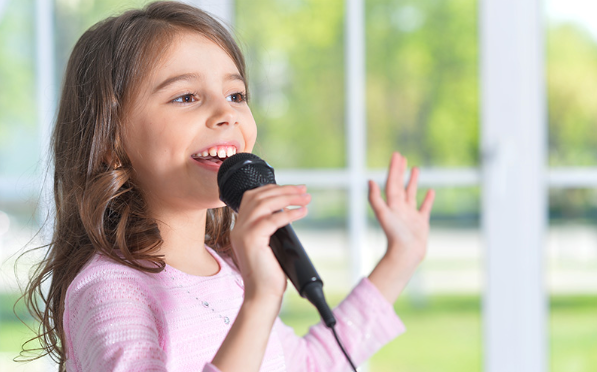
Public speaking challenges many children during their early development. While some show natural confidence, others hesitate when standing before an audience. Success depends on the guidance they receive from the start. Avoiding early mistakes helps kids grow into clear, confident communicators.
This article outlines six common pitfalls and how proper support, such as training from a public speaking academy, can shape a strong foundation in public speaking.
Overcoming Stage Fright Instead of Avoiding It
Many children freeze when stepping onto a stage for the first time. Parents often try to ease the pressure by letting kids skip public speaking opportunities. This response only builds avoidance. Public speaking requires practice. Letting fear dictate decisions hinders growth. Kids perform better when they grow comfortable with discomfort. They learn by facing fears and turning small performances into manageable experiences.
Supporting children starts with exposing them to small speaking tasks—class introductions, group presentations, or storytelling at home. Avoid rehearsing full scripts word for word. Help them focus on the main ideas and tone instead. Enrolment in a public speaking academy provides structured environments for safe practice. Trainers break down fears through repetition, peer feedback, and simulated speaking scenarios. These strategies reduce anxiety over time.
Choosing encouragement over avoidance equips children with resilience. Public speaking develops not just stage confidence but also self-belief. Helping children stay consistent builds this foundation.
Focusing on Perfection Over Progress
Parents often push kids toward flawless speeches. Memorising every word or chasing perfect grammar causes stress. Kids start viewing mistakes as failure. This mindset blocks natural expression. Effective public speaking stems from authenticity, not perfection.
Progress involves learning how to engage an audience, not just recite lines. Kids speak best when ideas flow naturally. Support this by shifting focus from perfect sentences to meaningful delivery. Instead of rehearsing full paragraphs, encourage bullet points and summaries. Teach them to recover from slips without panicking.
At a public speaking academy, children explore body language, tone, and timing, not just verbal accuracy. Trainers reward growth and confidence, not just polish. Celebrating small improvements helps kids enjoy the process. Speaking becomes a skill, not a pressure-filled performance.
Ignoring Body Language and Vocal Variety
Children often concentrate only on words. They forget posture, movement, and vocal tone—all of which matter. Slouched shoulders, weak eye contact, or flat delivery weaken their message. Audiences respond more to how kids speak than to what they say.
Body language speaks before words do. Help kids understand gestures and facial expressions. Practising in front of mirrors builds self-awareness. Varying tone and pace also hold attention better than monotonous speech. These elements take time to develop, but they make a big difference.
Public speaking training incorporates vocal drills, posture correction, and confidence exercises. A good public speaking academy integrates these into regular sessions. As kids see improvement, they gain a sense of command over their presence. They feel heard, not just listened to.
Failing to Understand the Audience
Kids tend to write or speak to teachers, not real listeners. They often miss the mark when they ignore who will hear their message. They use complex words, lose clarity, or speak too softly. Understanding audience needs helps kids become thoughtful speakers.
Teach them to ask: Who am I speaking to? What does my audience care about? A speech for peers needs a different tone than one for adults. Kids should learn to tailor language and pacing for better connection.
Public speaking classes often simulate audience types—friends, teachers, parents—so children adjust their delivery accordingly. Trainers provide feedback on engagement and clarity. This improves awareness and empathy, making children stronger communicators across settings.
Relying Too Much on Slides or Notes
Children may treat slides or cue cards as crutches. Instead of connecting with the audience, they read from visual aids. This habit weakens eye contact, body language, and audience interaction. Notes should guide—not dominate—their speech.
Encourage kids to rehearse from prompts, not full texts. Visualise each point. Teach them to speak from memory using images or keywords. Avoid overloading slides with text. Limit visuals to key highlights.
At a public speaking academy, students learn how to maintain eye contact while referring to brief cues. These skills build trust with the audience. With less dependence on slides, kids appear more confident and prepared.
Skipping Reflection and Feedback
Children often perform once and move on. Without reflection or feedback, they don’t improve. They repeat mistakes or miss key lessons. Reflection strengthens skills by reinforcing what works and correcting what doesn’t.
Encourage post-speech discussions. Ask what felt right and what felt awkward. Help kids identify moments where they lost track or connected well. Celebrate effort, but also spotlight areas needing adjustment.
Public speaking academies build this habit. Trainers provide structured feedback sessions after each presentation. Peer input also plays a role. Kids observe others and learn by comparison. This process helps internalise better techniques faster.
Conclusion
Avoiding fear, chasing perfection, ignoring delivery, and skipping feedback can derail progress in public speaking. Helping children stay consistent, expressive, and reflective changes how they engage with their audience. They grow into communicators, not just presenters.
Help your child build confidence in communication. Contact Speech Academy Asia today and discover how a trusted public speaking academy can support your child’s speaking journey.
