
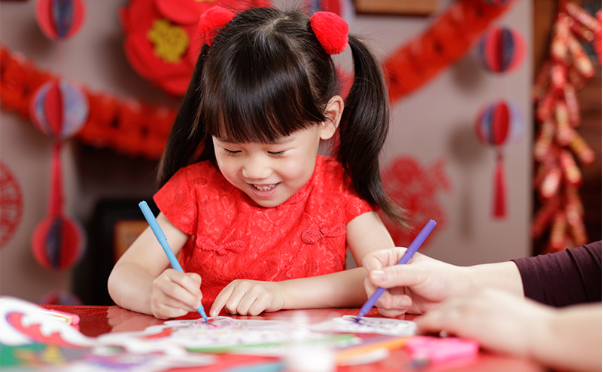
Chinese tuition lays a strong foundation for students to excel academically. In many schools, Chinese is taught rapidly, and some students may find it challenging to keep up. Tuition helps reinforce what is covered in the classroom by breaking down complex topics and providing additional practice. Tutors focus on vocabulary building, sentence construction, and comprehension techniques that improve overall understanding. This support allows students to grasp the fundamentals early, reducing gaps that could otherwise widen over time.
Enhancing Exam Confidence and Strategy
Performing well in examinations requires more than language knowledge—it also demands a clear strategy. Chinese tuition equips students with targeted methods to approach comprehension questions, construct proper sentence structures, and manage time during written exams. In a Chinese enrichment class, learners practise mock papers, oral presentations, and listening exercises that mirror school exam formats. This consistent exposure builds familiarity and reduces stress, allowing students to approach exams with greater confidence.
Reinforcing Oral Communication Skills
Spoken Chinese remains a challenge for many students, especially in households where English is the primary language. Tuition programmes at centres such as those in Marine Parade place greater emphasis on oral communication. Through interactive activities like storytelling, debates, and conversation drills, students develop better pronunciation, listening skills, and sentence fluency. These improvements directly support oral examination performance and encourage more natural usage of Chinese in everyday scenarios.
Encouraging a Positive Learning Attitude
Students may initially view Chinese as a delicate subject, particularly if they have experienced poor results or limited interest. Enrolling in a Chinese enrichment class introduces a supportive learning environment where progress is tracked and celebrated. Positive reinforcement and tailored instruction help students rebuild confidence and adopt a more enthusiastic attitude towards the subject. Over time, this shift in mindset contributes to sustained improvement and greater resilience when tackling new challenges.
Instilling Cultural Awareness Through Language
Language and culture are deeply connected, and Chinese tuition extends learning into cultural education. Students are introduced to traditional stories, customs, festivals, and values through the curriculum. At a tuition centre in Marine Parade, for example, lessons may align with Chinese New Year or Mid-Autumn Festival, allowing students to understand the cultural significance of learning. This broader context makes the subject more engaging and helps students appreciate their heritage.
Bridging the Gap Between School and Home
In many Singaporean households, the use of Chinese may be limited, especially in families that communicate primarily in English. Chinese tuition bridges this gap by ensuring the language remains relevant and usable. Through regular practice and vocabulary development, students maintain a level of fluency that allows them to participate more confidently in conversations with relatives, elders, and community members. This practical application supports raising bilingual citizens in a multicultural society.
Promoting Consistency Through Structured Learning
Regular exposure and reinforcement are critical for language mastery. Chinese tuition provides a structured schedule that keeps students consistently engaged with the subject. Weekly sessions ensure that learning continues beyond school hours and that knowledge is retained through repetition and review. For students juggling multiple subjects, this consistent support makes it easier to maintain progress without feeling overwhelmed.
Offering Customised Support for Different Learning Levels
Students come from diverse educational backgrounds and skill levels. Chinese enrichment classes in Marine Parade are often grouped by proficiency, allowing learners to progress at a pace that matches their ability. Whether a student needs help catching up or seeks additional challenges, tuition offers differentiated support that is difficult to achieve in large classroom settings. This alignment between teaching methods and learning needs contributes to more effective outcomes.
Learn More: 5 Chinese Learning Resources for Preschoolers
Building Discipline and Independent Learning Habits
Attending Chinese tuition cultivates essential academic habits. Students learn to set aside regular time for revision, complete homework independently, and manage study resources efficiently. These habits contribute to a disciplined approach to education that extends into other subjects. Tuition also teaches students to take responsibility for their progress by seeking clarification when needed and reviewing material proactively, which are crucial for academic success.
Preparing for Lifelong Bilingualism
While exam results are important, the long-term benefit of Chinese tuition lies in developing lifelong skills. Bilingualism in Singapore is more than an academic requirement—it is a practical asset in social and professional contexts. Tuition helps students retain fluency and literacy that will serve them well in future education and employment. Through early investment in Chinese enrichment, students are better positioned to meet the expectations of a bilingual society.
For more information on receiving quality Chinese tuition, contact Hua Language Centre today.
